
What to Do When Your Water Line Breaks: Emergency Steps for Delaware County Homeowners
Table of Contents
A water line break can flood your basement with gallons of water every minute, causing serious property damage in just hours. When you discover water pooling in your yard or basement, your next actions determine whether you face a manageable repair or a significant loss.
You wake up to no water pressure, or worse - you discover your basement filling with water from a broken service line. Many Delaware County homeowners in older properties face water line breakage from aging copper pipes, ground shifting, or tree root pressure. Knowing exactly what to do in the first 30 minutes protects your home and your wallet.
This guide walks you through the immediate steps to take when water line breakage occurs, explains what causes these emergencies in older homes, and helps you understand when you need full replacement versus a spot repair. You'll learn how to shut off your water supply, protect your property from damage, and find qualified help fast. We'll also break down the warning signs that indicate your water line may be failing before a full break occurs.
What should you do if your water line breaks?
If your water line breaks, immediately shut off the main water supply valve. You'll usually find this valve where the water line enters your home near the water meter. Turn off electricity to any affected areas with standing water. Open outdoor faucets to drain remaining water from the pipes and reduce pressure. Move valuable items away from water-damaged areas and document the damage with photos for insurance purposes.
Call a licensed plumber immediately; water line breaks require professional repair or replacement. While you wait for the plumber, contain the water with buckets or towels if the break is minor. Do not attempt to repair the water line yourself, as improper repairs can lead to contamination, code violations, and future failures.
Need emergency water line repair in Wallingford or surrounding Delaware County areas? Call us immediately at (484) 832-5566 for fast, professional service.
Immediate Steps When You Discover Water Line Breakage
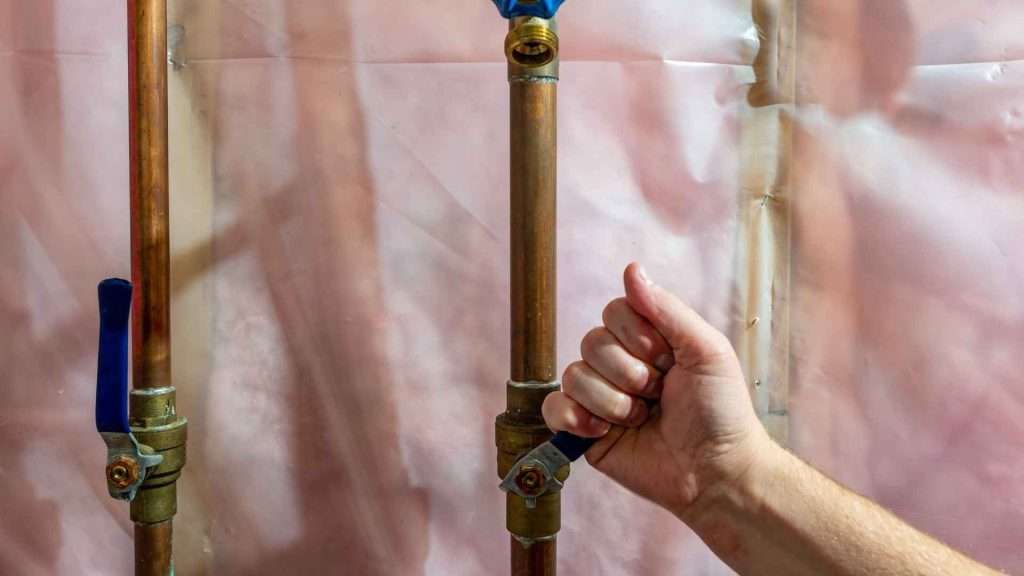
Taking the right actions in the first few minutes can prevent thousands of dollars in additional damage. Here's exactly what to do when you discover a broken water line emergency.
- Locate and shut off your main water valve. In most Delaware County homes, you'll find this valve in your basement near the water meter, in a crawl space, or in an outdoor meter box. Turn the valve clockwise until it stops.
- Turn off electricity to affected areas. If water is near electrical outlets, appliances, or your electrical panel, shut off power to those circuits at your breaker box. Never step in standing water near electrical sources.
- Open outdoor hose connections. Turn on your outdoor spigots to drain residual water from your pipes and relieve pressure on the damaged line.
- Document everything immediately. Take photos and videos of the water damage, the break location if visible, and any affected belongings. Your insurance company will need this documentation.
- Call a licensed plumber before attempting repairs. Pennsylvania code requires licensed professionals for water line work. DIY repairs risk contamination of your drinking water and can violate local regulations.
We see homeowners make the same mistakes during water line emergencies. The most common error is trying to patch the line temporarily with tape or clamps. These fixes fail quickly and can introduce bacteria into your water supply. Another frequent mistake is not shutting off power to affected areas first, which creates a serious safety hazard.
Common Causes of Water Line Breaks in Delaware County Homes
Once you've shut off the water and called a professional plumber, understanding what caused the break helps you make better decisions about repair versus replacement.
Water lines fail for specific reasons, especially in the older homes common throughout Wallingford and Swarthmore. Here are the main causes we see in Delaware County properties.
Age and material deterioration wear down water lines over time. Copper lines that are 50 years or older start showing signs of corrosion and thinning. Homes built in the 1950s through 1990s often have galvanized steel pipes that corrode from the inside out. Cast iron water service lines, found in some older properties, become brittle and crack.
Ground movement and settling puts constant stress on buried pipes. Pennsylvania's frost line depth means the ground freezes and thaws every winter, causing the soil to shift. This seasonal movement can crack rigid pipes or separate connections over time.
Tree root intrusion causes major problems in established neighborhoods. Wallingford and Swarthmore have mature oak and maple trees with root systems that seek out water sources. These roots can wrap around pipes and crush them, or grow into small cracks and split the line wide open.
Corrosion from soil conditions affects different materials in different ways. Delaware County soil chemistry and pH levels can accelerate corrosion on metal pipes. Some areas have naturally acidic soil that eats through copper faster than expected.
Previous poor repairs create weak points that fail later. We regularly find old patch jobs that were done incorrectly, with mismatched materials or improper fittings. These repairs often fail within a few years, sometimes catastrophically.
During diagnostics, we often see patterns in how water lines fail. Ground settling typically causes breaks near connection points where rigid pipes meet the foundation. Tree roots usually damage lines in the section between the street and your home where roots have room to grow.
Water Line Repair vs. Replacement: Understanding Your Options
If you've discovered signs of water line failure, or you're dealing with an active break, your next decision involves whether to repair the damaged section or replace the entire line.
This choice depends on several factors, and getting it right saves you money and prevents future emergencies. Here's how to think through your options.
When to Repair:
- The break is isolated to one small section and the rest of the line is in good condition
- Your water line was installed recently (within the last 15-20 years)
- Camera inspection shows no other areas of concern
- You have a limited budget right now and the repair will last several years
- The cause was external damage (like construction) rather than pipe deterioration
When to Replace:
- Your water line is 50 years old or older
- You've had multiple breaks or repairs in the past few years
- Camera inspection shows corrosion, thinning, or damage throughout the line
- You're planning other excavation work and can coordinate projects
- The current break reveals deteriorated pipe material
- You want to avoid future emergencies and repeated repair costs
Cost matters, but think long-term. A spot repair costs less now but may lead to another break next year. Multiple repairs over five years often exceed the cost of one complete replacement. Full replacement also increases your property value and gives you decades of reliable service.
Open trench replacement involves excavating your yard to access the entire water line. We remove the old pipe and install new copper line from your house to the street. This method gives us complete control over the installation but requires more landscape restoration afterward.
Trenchless water line replacement minimizes disruption to your property. We dig small access points at each end and pull new copper pipe through the old line's path. Your yard, driveway, and landscaping stay mostly intact. We use this method whenever possible to reduce restoration time and protect your established landscaping.
Our diagnostic process helps you make informed decisions rather than guessing. We use camera inspection to show you the full condition of your water line. You can see exactly where problems exist and understand why we recommend repair or replacement. We never push for replacement when a solid repair will serve you well.
Not sure about your water line condition? We use video camera inspection to diagnose problems accurately and show you exactly what we find. Learn more about our water line replacement in Wallingford.
Preventing Water Line Emergencies in Older Homes

The best water line emergency is the one that never happens. While not all breaks are preventable, several proactive steps can reduce your risk.
Schedule periodic camera inspections if your home is 40 years old or older. A quick look inside your water line every few years catches problems while they're still manageable. This small investment prevents expensive emergencies.
Monitor water pressure and quality changes in your home. Keep track of your water bill and watch for gradual increases. Notice if your water color changes or if pressure drops over time. These subtle shifts often signal developing problems.
Understand your home's water line material and age. Check your property records or ask the previous owner about when the line was installed. Knowing you have 60-year-old copper helps you plan proactively rather than waiting for failure.
Address tree root problems near water lines before they cause damage. If you have mature trees between your house and the street, have a plumber inspect your line for root intrusion. Removing roots early prevents breaks later.
Consider proactive replacement if your line is approaching its expected lifespan. Replacing an old water line on your schedule costs less than emergency replacement. You can plan around your budget and coordinate with other home projects.
Keep landscaping records showing your water line location for future access. Mark where your service line runs so you don't accidentally damage it during landscaping projects. This information also helps plumbers respond faster in emergencies.
Planning ahead saves money and stress. We help homeowners in Wallingford and Swarthmore coordinate water line replacement with other excavation projects like sewer work or landscaping changes. Doing multiple underground projects at once reduces your total restoration costs.
Protect your Delaware County home from water line emergencies. Whether you need immediate repair or proactive replacement, our experienced team treats your property with the same respect we'd give our own - because our name is on the truck. Call (484) 832-5566 to schedule service.